 Welcome to China in Middle East Bridging the Gap Between China and the Middle East

Related Articles
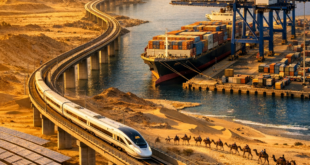
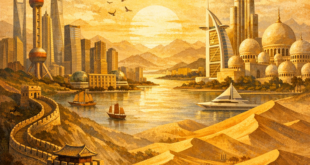
In an era where diplomatic ties are often measured in trade volumes and infrastructure projects, Saudi Arabia and China are proving that the strongest foundations are built on something far more enduring: shared culture and human connection. The launch of the Saudi-Chinese Cultural Year (2025–2026) marks one of the most ambitious cultural diplomacy initiatives between China and the Middle East in recent history — and it is already reshaping how these two ancient civilizations see each other.
The Vision: More Than Just Handshakes
The Saudi-Chinese Cultural Year is no mere ceremonial gesture. It is deeply embedded in Saudi Vision 2030, the Kingdom’s transformative strategy to diversify its economy and elevate its global cultural footprint. For China, it represents a natural extension of the Belt and Road Initiative’s people-to-people pillar — the recognition that economic corridors mean little without cultural understanding.
Both nations share millennia of history. The ancient Silk Road once connected Arabian merchants with Chinese artisans, exchanging not just goods but ideas, languages, and artistic traditions. Today’s cultural year is, in many ways, a revival of that spirit — only now with museum partnerships, digital exhibitions, and cross-border music festivals.
Five Pillars of Cultural Exchange
The Cultural Year is structured around five major themes, each designed to reach different audiences and build lasting institutional ties:
- Art Exhibitions & Museum Collaborations — Joint exhibitions featuring ancient Silk Road artifacts, contemporary Saudi and Chinese artworks, and traveling collections between Riyadh and Beijing
- Music & Performing Arts — Chinese opera performances in Riyadh, Saudi folk dance troupes touring China, and fusion music projects blending Arabian oud with Chinese guzheng
- Literary & Language Programs — Book fairs spotlighting translated works, Arabic-Chinese language exchanges, and academic partnerships
- Culinary Festivals — Authentic food experiences introducing Saudi kabsa and Chinese dim sum to new audiences across both nations
- Educational Partnerships — University collaborations, student exchanges, and scholarships for cultural studies
Beyond Saudi Arabia: A Region-Wide Trend
The Saudi-Chinese Cultural Year is not an isolated event. Across the Middle East, cultural ties with China are flourishing:
- The UAE hosted extensive “Happy Chinese New Year” celebrations under the guidance of China’s Ministry of Culture and Tourism, with events spanning Abu Dhabi and Dubai
- The Abu Dhabi Music & Arts Foundation signed a landmark MoU with the China Shanghai International Arts Festival, strengthening performing arts cooperation
- Iran is exploring a dedicated Iran-China Cultural Year for 2026, with joint heritage exhibitions and tourism cooperation already underway
- Chinese traditional musical instruments are being showcased in Saudi Arabia as part of bilateral museum exchange programs through 2025–2026
Why Culture Matters for Business
Cultural diplomacy is not soft power for its own sake — it creates tangible economic benefits:
- Tourism growth: Cultural events attract visitors, boosting hospitality and travel sectors in both directions
- Creative industries: Joint art and media projects open new business opportunities in film, design, and digital content
- Talent pipelines: Language and academic exchanges build the human capital needed for deeper economic cooperation
- Trust building: Shared cultural understanding reduces friction in trade negotiations and investment decisions
Looking Ahead
The Saudi-Chinese Cultural Year is setting a template that other Middle Eastern nations are already watching closely. If successful, we could see annual rotating cultural exchanges, joint film productions, and even technology-innovation hubs that merge cultural heritage with modern advancement.
For a region historically defined by its role as a crossroads of civilizations, the renewed cultural bridge with China feels less like a new experiment and more like a return to form.
Sources: Saudi Press Agency; Gulf Magazine; UAE Chinese Cultural Center; TV BRICS; WAM UAE; People’s Daily