 Welcome to China in Middle East Bridging the Gap Between China and the Middle East

Related Articles
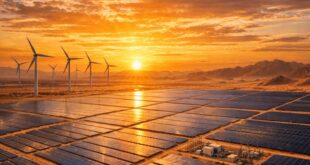

The Middle East has officially become the beating heart of China’s Belt and Road Initiative (BRI), with infrastructure engagement reaching unprecedented levels in 2025 and 2026. What started as a bold vision in 2013 has now transformed into the most significant infrastructure and investment program of the 21st century—and the Gulf region is reaping the rewards.
A Record-Breaking Year for BRI Investment
According to the latest data from the Griffith Asia Institute and Green Finance & Development Center, BRI-related deals surged to a staggering $213 billion in 2025—the highest since the initiative’s inception. This represents a fundamental shift in how China approaches global infrastructure development.
Key highlights from 2024-2025:
- The Middle East secured $39 billion in BRI investments in 2024, a dramatic 102% increase from 2023
- Saudi Arabia alone attracted $18.9 billion, making it the top regional recipient
- Iraq received $9 billion and the UAE $3.1 billion
- In H1 2025, Saudi Arabia and the UAE secured $7.2 billion and $7 billion respectively in construction contracts
From Megaprojects to Smart Infrastructure
China’s BRI strategy has evolved significantly. The era of massive, debt-heavy megaprojects is giving way to smaller, better-designed investments with stronger equity participation and a sharper focus on compatible international standards.
This strategic pivot is yielding more sustainable results. Chinese construction engagement in the Middle East reached $19.4 billion in the first half of 2025 alone, with private partners playing an increasingly central role in project financing and execution.
Where the Money Is Going
Energy and connectivity remain the dominant themes, but the composition is changing:
- Oil & Gas: $24.3 billion in traditional energy investments
- Green Energy: $11.8 billion in renewables, including solar projects in the UAE and Saudi Arabia
- Transport: $7.9 billion for solar and wind development globally, with significant Middle East participation
- Megaprojects: Chinese firms are deeply involved in Saudi Arabia’s NEOM City, port expansions, and airport networks across the region
Why the Middle East?
The strategic logic is clear. The Middle East offers:
- Energy security and long-term supply chain dominance for Beijing
- A region hungry for infrastructure modernization and economic diversification
- Wealthy sovereign wealth funds capable of co-investing at scale
- Geopolitical positioning at the crossroads of Asia, Africa, and Europe
As one analyst noted, the concentration of BRI funding in the Middle East marks a “strategic pivot” in China’s global economic engagement—one that is reshaping regional connectivity and challenging the US-centric global order.
Looking Ahead
While some experts predict Chinese BRI engagement may reach lower levels in 2026 with fewer megadeals, the quality and sustainability of projects are expected to improve. The focus on green energy, digital infrastructure, and smart cities suggests a maturing partnership that benefits both Chinese exporters and Middle Eastern development goals.
For businesses and investors watching this space, the message is clear: the China-Middle East infrastructure corridor is not just growing—it’s becoming more sophisticated, more sustainable, and more strategically important than ever before.
Sources: Reuters Breakingviews, Griffith Asia Institute / Green Finance & Development Center BRI Investment Report 2025, Council on Foreign Relations, MEED, Zawya Projects, New Lines Institute